
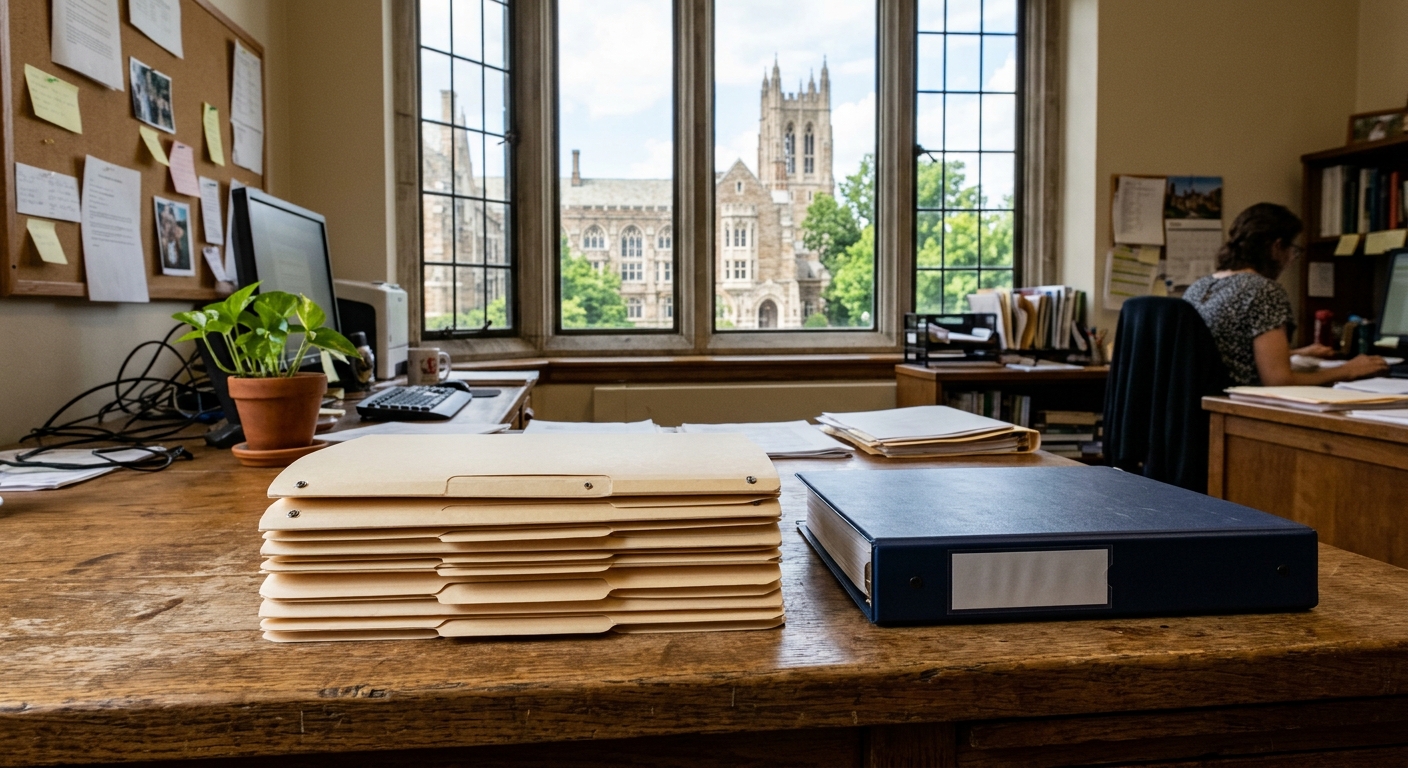
AI-generated illustration; not a photograph of the reported event.
- calendar_today November 9, 2026
Few Expulsions for Sexual Assault at UChicago
The University of Chicago has expelled only a small fraction of students found responsible for sexual assault over the past two decades, according to a WBEZ analysis of university records. Between 2007 and 2025, UChicago's disciplinary committee determined that 36 students committed sexual assault; yet only seven of these students were expelled. The remainder received less severe punishments such as suspensions, probation, or warnings. As a result, many survivors continue to encounter their assailants on campus, making it difficult for them to remain at the university.
Breakdown of Disciplinary Actions
Of the 36 students found responsible since 2007, 19 were suspended—sometimes for as little as nine weeks—and later allowed to return to campus, according to university reports. Ten students received probation or warnings. The university documents, required by Illinois law and available online, do not disclose reasoning behind particular sanctions, leading to concerns among students and advocates about the consistency and adequacy of responses to sexual misconduct.
Student Responses and Demands for Change
The university's disciplinary practices have come under heightened scrutiny, especially after two recent reports of sexual assault tied to UChicago. In response, student groups have called for the administration to set more stringent minimum sanctions for cases of sexual violence. Nicole Bedera, a sociologist and author who studies campus sexual assault, compared UChicago's lenient approach to that of other universities, noting that severe consequences are often applied more harshly for violations such as plagiarism than for sexual violence. "Why are you happy to have the name of your institution on the diploma of a violent person?" Bedera questioned, highlighting a nationwide trend of minimal expulsions for sexual assault across many large universities.
University's Stance and Disciplinary Process
UChicago spokesperson Gerald McSwiggan stated that the university takes reports of sexual misconduct seriously and that disciplinary committee members undergo training in harassment and sexual misconduct policies. Sanctions, McSwiggan noted, are determined case-by-case following a thorough review. The process typically begins with an associate dean reviewing evidence from both parties and may result in mediation, dismissal, or referral to the disciplinary committee—which includes students, staff, and faculty—for further adjudication.
Impact on Survivors and National Context
Advocates and researchers point out that many survivors leave school after reporting sexual assault, often due to the prospect of continuing to encounter their perpetrator on campus. Christina Zuba, an attorney with the Chicago Alliance Against Sexual Exploitation, noted that survivors frequently struggle with the decision to stay, and many ultimately transfer, take leaves of absence, or drop out. National survey data supports these claims, with two in five survivors leaving their institution after reporting their assault. Conversely, many found responsible for sexual misconduct remain in school and graduate, raising concerns about institutional priorities and student safety on campus.
Ongoing Calls for Reform
The discussion around UChicago's approach is mirrored on campuses nationwide, where survivors and advocates are pushing for more comprehensive support and stronger disciplinary measures. Many express the need for universities to prioritize survivor safety and provide improved mental health resources and protections. Data and experiences from UChicago and beyond continue to drive conversations about the future of campus discipline and support for survivors of sexual violence.
Source: chicago.suntimes.com.


