- calendar_today August 22, 2025
The AI path of Microsoft does not finish with the release of Windows Copilot. Although that’s expected to be the headline feature this fall, the company is also working behind the scenes to subtly include artificial intelligence into the fundamental apps you use daily, without you even knowing it.
A Windows Central article claims that Microsoft is early in testing fresh artificial intelligence capabilities in built-in Windows applications, including Photos, Camera, Snipping Tool, and MS Paint. These are not flimsy tech demos or gimmicks. Rather, they are handy tools that fit your workflow and could subtly alter how you run your PC.
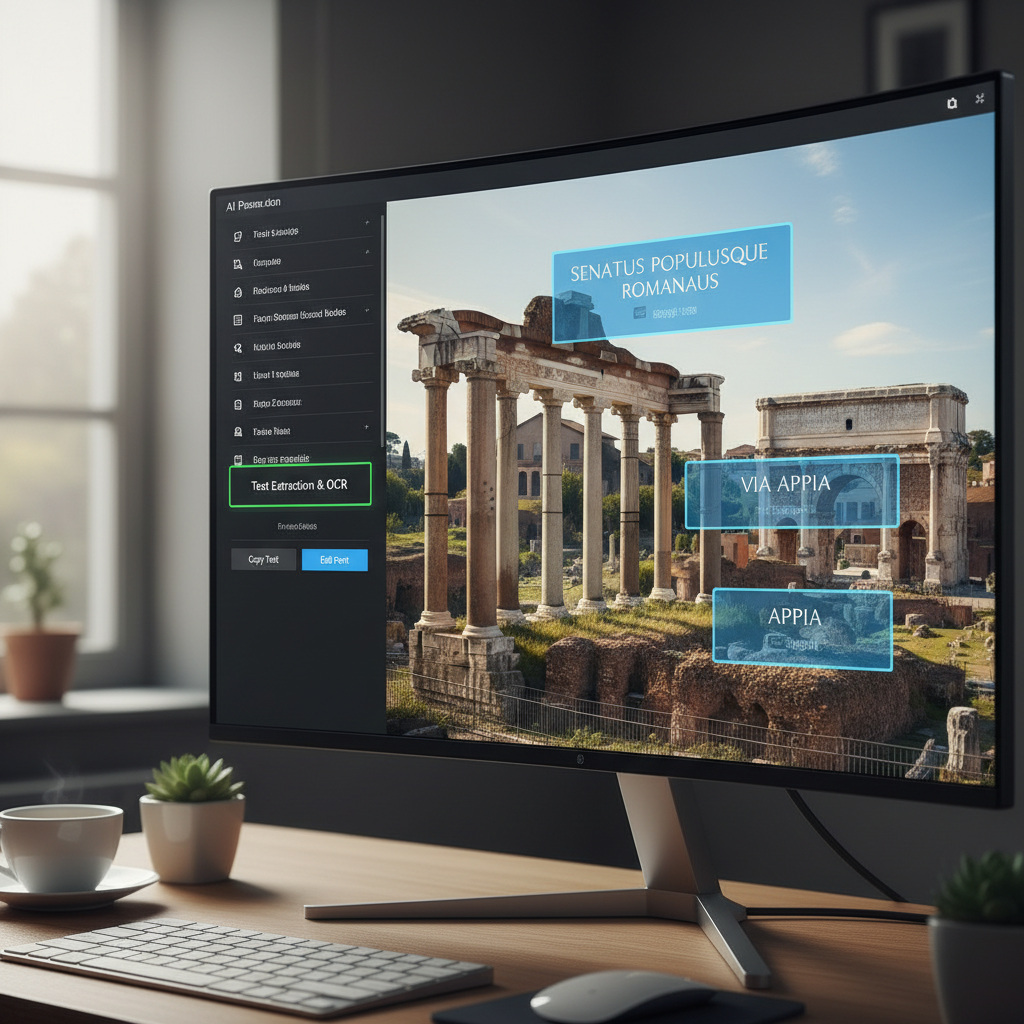
Images, Snipping Tool, and Camera to Acquire Visual Intelligence and OCR
Let’s begin with three apps—Photos, Snipping Tool, and Camera—that many Windows users already find absolutely indispensable. Optical Character Recognition (OCR) is apparently being included by Microsoft in these applications. This means you will shortly be able to copy and paste text from any image, be it a screenshot, a picture of a sign, or a scanned document.
Quoting from a PowerPoint slide you captured in class is no more typing. There are no more embarrassing times spent attempting to replicate a list from a screen grab. OCR included into Windows makes it simple. Just choose the image, grab the text, then copy it exactly where you need it. It moves quickly. It runs effortlessly. And for far too long, native Windows tools have also shockingly lacked this capability.
Still, that marks only the beginning. Microsoft also intends to let the Photos app identify objects, people, and backgrounds in your pictures. Once these components are found, the app might provide means to separate and isolate them. Want to save the transparent PNG background behind your dog as cropped out? This function might make a two-click job possible soon.
Driven by its own in-house neural engines, Apple has already unveiled comparable technology on its iPhones and Macs. Microsoft is catching up now, but in a way that might be more transparent and open, especially for consumers of conventional x86 PCs.
These functions benefit not only casual users. For students, content creators, small business owners, and anyone else needing fast, consistent access to text or object-oriented edits without making costly software purchases, they have actual promise.
Artificial Intelligence, Evolution of Paint, and Value of Local Processing
Then there is Microsoft Paint—yes, the venerable program you might not have accessed since Windows XP. The paper claims that Paint is under serious consideration for a major overhaul: generative artificial intelligence artistic creation.
Enter a prompt, say “a dragon flying over a futuristic city at sunset,” and Paint could use artificial intelligence to create the picture for you. Using a variant of OpenAI’s DALL-E model, the technology underlying it is probably same to that of Bing Image Creator.
For Paint, this is a major leap forward from a nostalgic artifact into a simple but potent creative tool. It also allows non-designers, hobbyists, and children to begin lightweight, easily accessible exploration of AI-generated visuals.
One major drawback to all of these forthcoming capabilities, though, is that they might rely on having a Neural Processing Unit (NPU) on your device. Designed to more effectively handle artificial intelligence and machine learning chores than conventional CPUs or GPUs, NPUs are specialized chips.
Although Arm-based CPUs from Qualcomm have long supported NPUs, they are only now starting to be found in more mainstream systems. Among the first x86 chips with NPU capability are AMD’s new 7040 series chips and Intel’s forthcoming Meteor Lake processors.
An NPU lets you complete these chores locally on your computer instead of sending your data to the cloud. Not only is that faster and safer, but user privacy gains a big benefit as well.
Just now, few Windows 11 features use NPUs—mostly things like background blurring and enhancements for video calls. Microsoft is indicating, however, that more AI-powered on-device capability is on the way with these upcoming app updates.
The ultimate aim is without an internet connection or sophisticated technical knowledge, a Windows experience feels smart, responsive, and privacy-conscious.