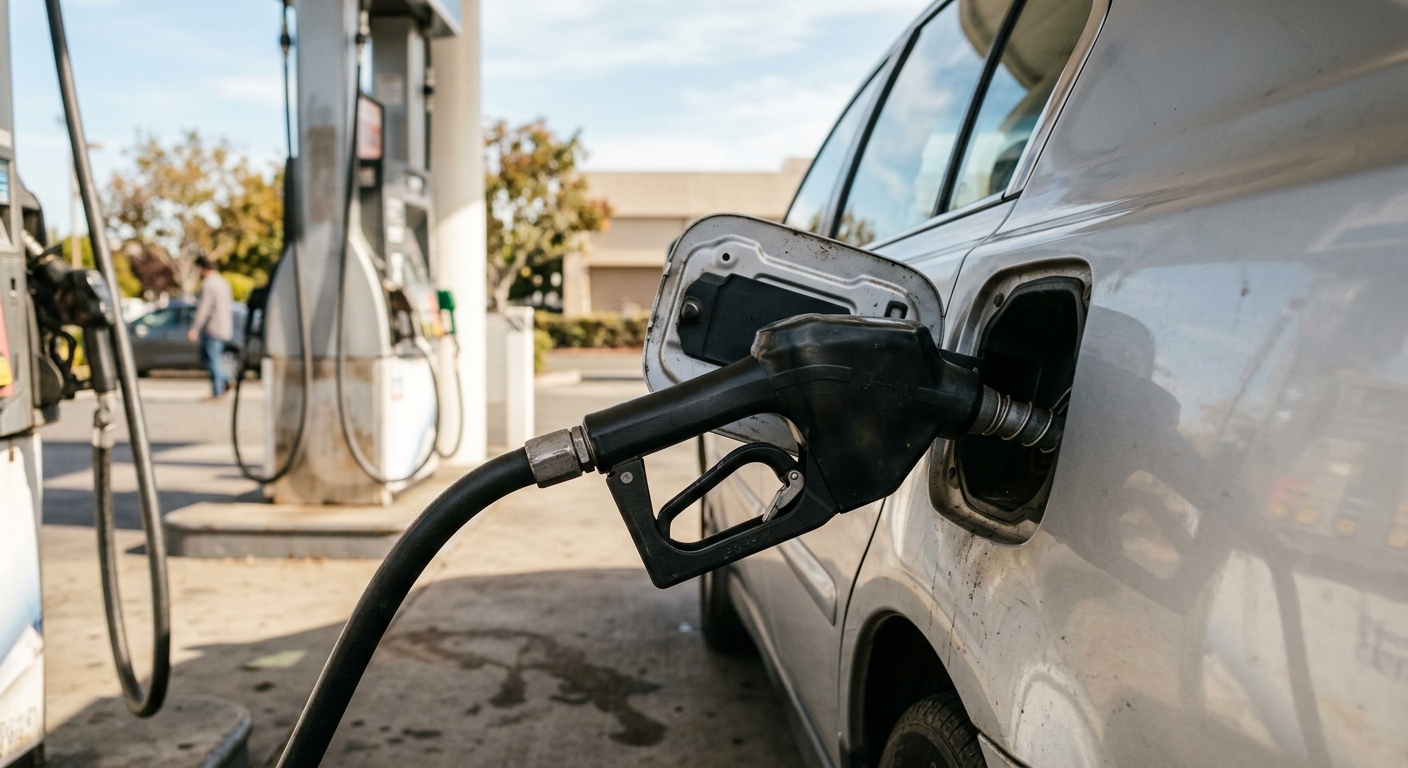
AI-generated illustration; not a photograph of the reported event.
- calendar_today June 24, 2026
As California drivers bring a high-profile antitrust lawsuit against major gas station operators over alleged artificial price hikes, Illinois motorists are closely observing the case’s potential implications for gas prices and consumer protection in their own region.
California’s Legal Action Draws National Attention
The lawsuit, filed by California drivers, targets several leading gas stations including BP, Circle K, 7-Eleven, Walmart, Marathon Petroleum, and Albertsons. At the center of the suit is Kalibrate software, an artificial intelligence pricing tool accused of enabling coordinated price inflation. The software collects competitor data and suggests price points, which plaintiffs say led to parallel price increases of up to 30 cents per gallon in communities where the system was widely adopted.
AI Pricing Raises Competition Concerns in Illinois
Illinois, though historically spared from the nation’s highest pump prices, is following these developments closely. The case highlights growing anxieties about AI pricing software entering Midwest fuel markets, where rising fuel cost remains a constant concern for households and businesses. Industry experts caution that if AI-driven tools are adopted by operators in Illinois, similar questions about pricing transparency and competition could emerge regionally.
Wider Implications for Regional Gas Prices
The antitrust lawsuit charges that use of the Kalibrate software effectively constitutes price fixing—a violation of California’s Cartwright Act, the state’s leading antitrust law. While this legal standard is specific to California, the broader issues of fair competition and consumer impact resonate in the Midwest. Plaintiffs argue that every penny added to California gas translates into $134 million in additional spending by drivers each year, with some areas reportedly facing prices above seven dollars per gallon.
Local Stakeholders and Lawmakers Respond
Legislators and consumer advocates in Illinois have voiced concerns over potential spillover effects. Several have called for proactive measures to ensure that local gas station operators remain transparent in their pricing strategies and do not adopt AI-powered tools that could undermine market competition. With retail fuel costs playing a crucial role in transportation and commodity pricing across Illinois, sustained price increases could reverberate through local communities and regional economies.
Role of Artificial Intelligence in Modern Pricing
The use of AI pricing is not unique to fuel retail and has appeared in industries ranging from airline tickets to grocery stores. However, the current case puts a spotlight on how these technologies, if misused, could facilitate tacit collusion without direct communication between corporations. Illinois authorities are consulting with antitrust scholars to evaluate whether similar vulnerabilities exist under local state laws.
What’s Next for Illinois Drivers?
While the outcome of California’s class action is still pending, the case serves as a critical reminder of the evolving intersection between technology and consumer rights. Illinois residents, already vigilant about rising fuel costs, are now pressing for greater scrutiny over digital tools that could affect competition and price stability. As national headlines focus on California gas, the Midwest’s policy response may shape how future pricing strategies are deployed across the country—especially as AI pricing becomes increasingly prevalent in essential consumer markets.