- calendar_today August 29, 2025
Following decades of economic instability and price inflation, Illinois is finally beginning to enjoy the comfort of easing inflation. With central banks shifting from tight monetary policies, the Midwestern state is experiencing a boost in its economy, ranging from agriculture and manufacturing to real estate and retail. For local governments, businesses, and inhabitants, this change means much-needed stability and increased growth.
The Turnaround: Inflation on the Downward Path
Inflation in the U.S. rose in the last few years because of pandemic-induced disruptions, supply chain disruptions, and global tensions. For Illinois residents, that translated into higher prices at the supermarket, filling station, and in all but one area of daily living. But for the last several months, national inflation rates have reliably decreased, and Illinois is benefiting.
The Federal Reserve’s interest rate increases throughout its recent cycle were intended to bring inflation under control, and now, with visible gains, the central bank is easing gradually. That change is helping to craft a more balanced economic landscape for states like Illinois.
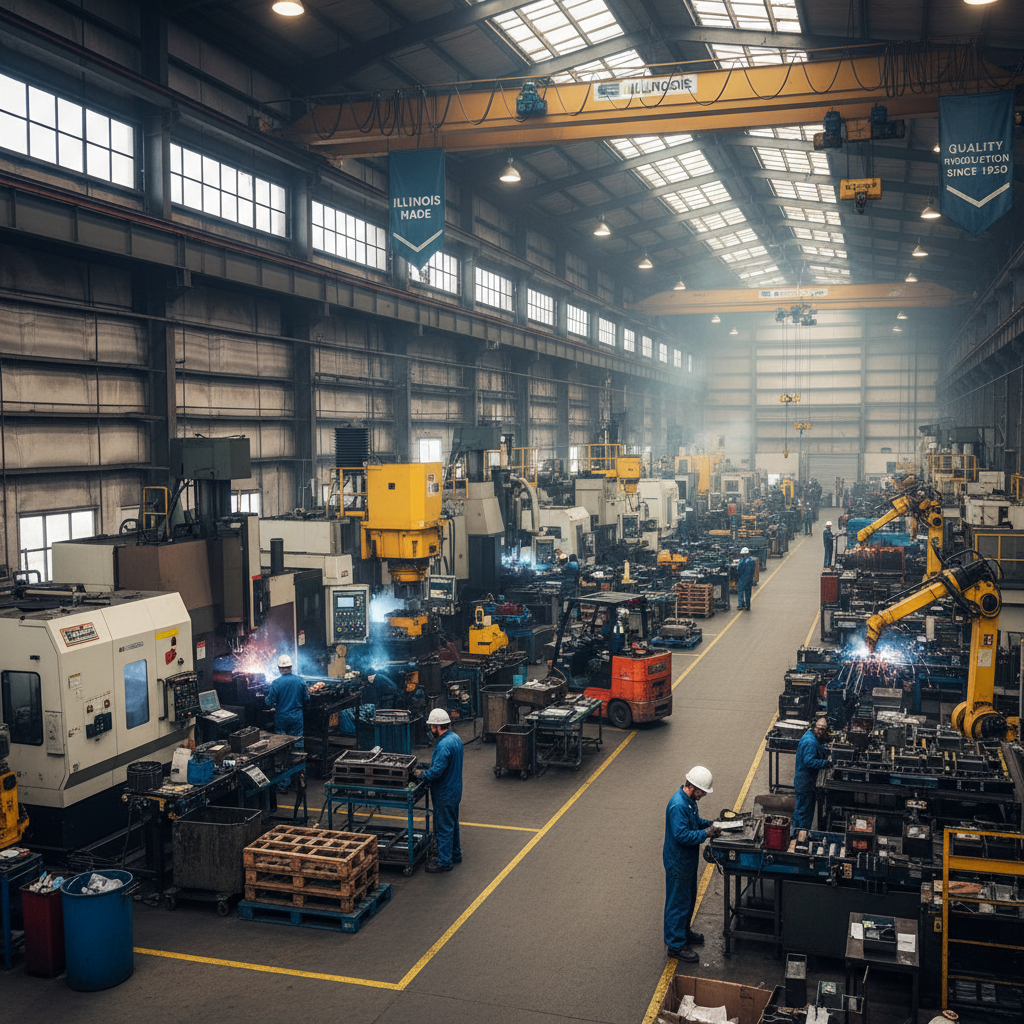
Illinois’ Manufacturing Sector Rebounds
Illinois has long been a manufacturing hub, with industries ranging from automotive to machinery and food processing. In the middle of the inflationary highs, these sectors were coping with high costs of inputs, shortages of labor, and delays in shipping. But as inflation begins to subside:
- Raw material prices are falling, narrowing profit margins.
- Supply chains are steadying, making production smoother.
- Manufacturers are hiring back and expanding capacity.
This manufacturing comeback is not only creating jobs in the region, but it also serves to keep Illinois competitive in the national economy.
Farmers Breathe Easier
Agriculture is an important component of Illinois’ economy, particularly in rural communities. Farmers were especially negatively affected by increased costs of fuel, fertilizer, and equipment. Now, as inflation falls:
- Input costs become more affordable, resulting in improved crop harvests and profits.
- Food prices to consumers are stabilizing, enhancing demand for locally grown foods.
- Avenues for export are increasing as markets overseas regain confidence.
Farmers can now plan ahead for future seasons without fear of surprise price jumps interfering with their activities.
Housing and Real Estate Balance Out
Inflation pushed mortgage rates through the roof, making many Illinoisans unaffordable for many Illinoisans. Renters also had difficulty with significant increases in their monthly payments. But today:
- Mortgage interest rates are starting to stabilize, making homeownership affordable.
- Rental rates are leveling off, providing a welcome break for renters.
- Long-stalled construction projects are restarting, particularly in suburban and emerging markets.
This new balance in real estate is essential for young families, first-time homebuyers, and urban developers statewide.
Retail and Small Businesses Look To New Hope
For Illinois small business owners, the last couple of years have been tough. Rising inflation produced more expensive goods, cut back on consumer spending, and made it hard to keep employees on. But with prices moderating and central banks offsetting interest rate increases more slowly, things are improving:
- Shoppers are beginning to splurge, particularly on discretionary items.
- Loans for businesses are becoming a bit easier as interest rate increases slowly.
- Local shops and restaurants are regaining foot traffic, especially in cities like Chicago, Peoria, and Springfield.
This economic relief is reviving the entrepreneurial spirit that defines many Illinois communities.
Job Market Strengthens
One of the most obvious indicators of economic growth is Illinois’ improving job market. During the height of inflation, hiring was sluggish, and wage gains were insufficient to keep pace with increasing living expenses. Now, with inflation levels falling:
- Pay is catching up, providing residents with more fiscal wiggle room.
- Hospitality, logistics, and health care job postings are increasing again.
- Younger professionals are increasingly hopeful about remaining in or relocating to Illinois for career advancement.
Illinois is also experiencing an increase in tech and clean energy employment, consistent with national trends and offering long-term economic stability.
Consumer Confidence Returns
High inflation impacts not only wallets but also attitudes. In times of quickening prices, consumer confidence usually falls, inducing wary spending and lower economic activity. But in Illinois, the opposite is occurring. As cooling inflation:
- Individuals are more confident about the future.
- Spending patterns return to normal, enriching local economies.
- Families are arranging for vacations, major purchases, and investments they had put off.
This newfound optimism is critical to maintaining the state’s economy on the proper track.
Central Bank Strategy: A Softer Touch
The evolving strategy of the Federal Reserve is one of the main reasons Illinois is feeling these gains. Following months of sharp interest rate increases, the central bank now emphasizes gradual adjustments to avoid pushing the nation into recession while maintaining inflation at bay.
This strategic shift is providing states such as Illinois with the space to expand, fostering investments, consumer spending, and planning in the long term.
What the Future Holds for Illinois
Although the current trends are optimistic, issues still exist. Recovery takes time, and world risks may later affect inflation. Nevertheless, Illinois has a good foundation on which to keep recovering based on its diversified economy, robust infrastructure, and prime location.
If inflation keeps moderating and central banks continue to have a balanced policy, Illinois may experience sustained growth in 2025 and beyond, conferring lasting dividends on its people and industries.
Final Thoughts
As inflation slows and policies stabilize, Illinois is starting to flourish anew. Whether you’re a farmer in Champaign, a downtown Chicago shopkeeper, or a fresh grad searching for a job in Naperville, the economic forecast is decidedly brighter. With prudent planning, wise investment, and community resilience, the Prairie State stands poised to grow—and to grow strong.