- calendar_today August 24, 2025
Illinois has been a central portion of America’s manufacturing and export sectors for many years. Although the state does not produce a lot of cotton inside its borders, it is highly reliant on the international supply chain to provide cotton, particularly to its massive textile and apparel manufacturing bases. Recently, however, a concerning trend has been developing: cotton production in important supplier nations is falling. This decline is creating threats to Illinois exporters and producers who depend on steady supplies of cotton in order to continue their operations.
We will explain in this article how cotton production is declining, how it is affecting Illinois manufacturing and exports, and what can be done to stem the threats.
Why Is Cotton Production Declining?
Cotton cultivation is plagued with numerous problems these days, which are cutting down production levels in some of the leading cotton-producing nations. Some of the chief reasons are:
- Climate Change: Temperature changes, drought, and high heat increase the difficulty and danger of producing cotton.
- Pest Issues: New or renewed pest infestations destroy cotton plants, lowering yields.
- Increased Farming Expenses: Farmers who produce cotton have to pay more for seeds, fertilizer, and water, which takes away from the profitability of producing cotton.
- Substitution with Other Crops: Other farmers who produce cotton produce other crops that are more profitable or easier to care for.
These are the issues that add up to decrease the overall quantity of cotton in the world market.
Why Cotton Matters to Illinois Factories
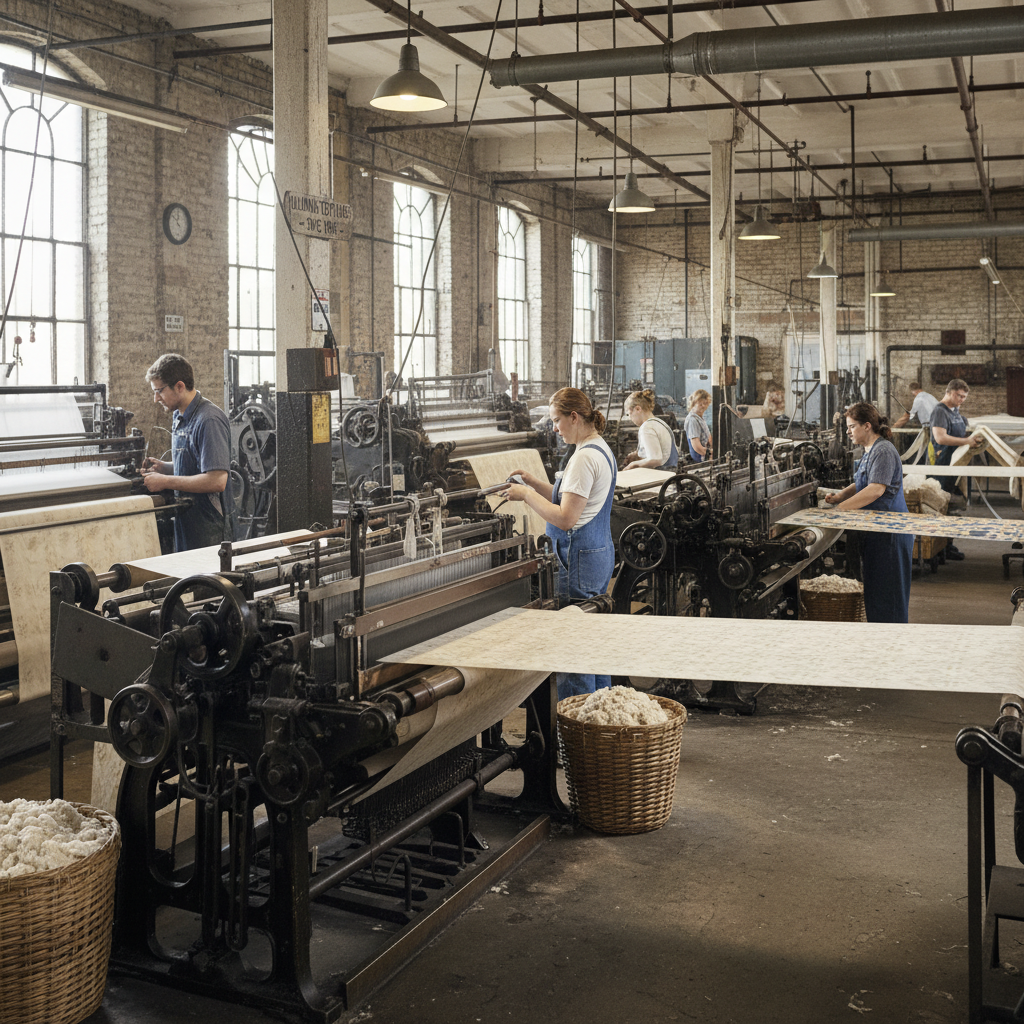
Illinois hosts a number of factories that make textiles, garments, and other commodities from cotton. The state does not cultivate cotton, but its manufacturers employ imported cotton from all over the globe. When the availability of cotton goes down, it creates a domino effect:
- Higher Material Prices: With lower quantities of cotton, prices are higher, and thus production cost is increased.
- Increased Production Time: Shortages or irregular supplies lead to delays in production schedules.
- Lower Export Amount: If the factories are unable to produce that many goods, the amount that goes out to other states and nations decreases.
These results jeopardize the sustainability of Illinois’ manufacturing and competitiveness worldwide.
Impact on Illinois Exports
Illinois sends millions of dollars worth of clothing and textiles out of state every year. The exports provide jobs for thousands of people in the state, not just in the manufacturing plants but in shipping, marketing, and retailing.
Illinois exporters can be damaged if the cotton shortages continue:
- Loss of Market Share: Payers can switch to other states or nations that can price more competitively or provide better assured supplies.
- Slower Revenues: Reduced exportation equates to reduced revenues for businesses and the economy of Illinois.
- Threat to Jobs: Reducing or stopping production would result in job loss.
Since the economy of Illinois relies heavily on manufacturing and exportation, the risks associated with growing cotton are nearly a cause for concern.
What Can Illinois Do to Support Its Manufacturers?
Although Illinois is not a cotton state, businesses and communities can diversify in the following ways to support manufacturers and exports:
- Diversify Supply Chains: Having alternative sources of cotton or other material can minimize reliance on a single area.
- Invest in Innovation: Investing in research to produce fabrics that demand less cotton or recycled material can help manufacturers retool.
- Strengthen Trade Alliances: Cooperation with foreign suppliers and governments for continuous supply of cotton is essential.
- Support Local Textile Establishment: Creating local textile production of cotton-like fibers or products will alleviate long-term supply chain risks.
- Offer Business Support: Financial, training, and technology support will make it more efficient and cheaper.
A Challenge and an Opportunity to the Future
The decrease in cotton production represents a significant challenge for Illinois exporters and manufacturers. It represents an opportunity as well. By adapting to new market conditions and building new technologies, Illinois can lead the way in manufacturing and exports.
Illinois’ policymakers, business owners, and employees will have to collaborate in order to come up with solutions. With more resilient supply chains, new materials, or more effective trade policies, Illinois is able to convert this challenge into a chance.
Conclusion
Cotton output is declining in major supplier nations, and this is endangering Illinois’ manufacturing and export industries. Since Illinois draws from global cotton supplies to fuel much of its industry, disruptions can result in increased costs, lower production, and decreased exports. These adjustments pose a risk to jobs and economic growth.
By acting today—diversifying inputs, investing in technology, and strengthening trade relationships—Illinois can shield its manufacturers and preserve its competitive advantage. The future is no longer what it once was, but with foresight and collaboration, Illinois can prosper as the cotton industry evolves.