- calendar_today August 23, 2025
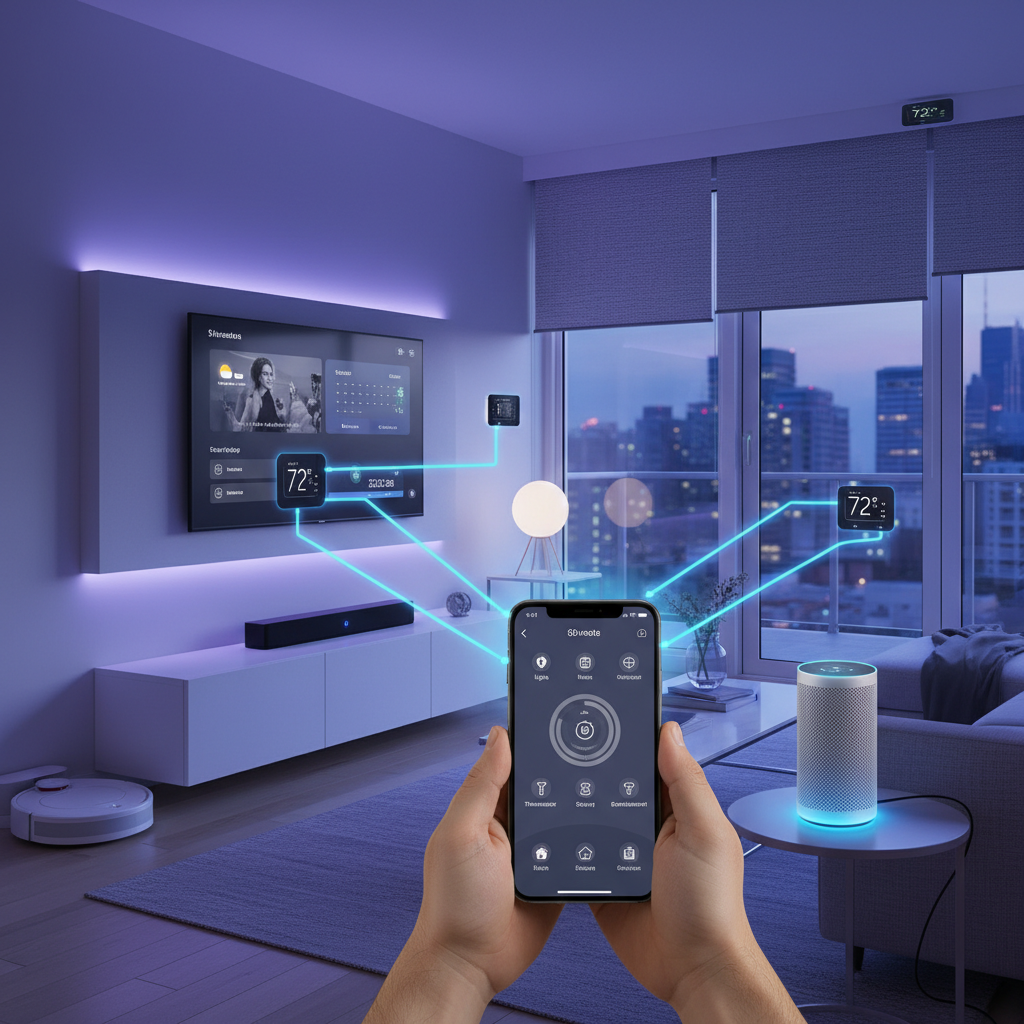
Google aims to build an advanced smart home ecosystem that will bring major changes to the Google Home app. As Nest devices fully integrate into the Home app Google works on an extensive redesign to make user interaction simpler and more effective. The core change relies on the extensive integration of Gemini AI which will establish an era of intelligent automation and intuitive control in smart homes. The integration of new features with extended third-party device support via the Home API establishes the foundation for a cohesive and forward-thinking smart home environment.
The Google Home app functions as a key management hub for various smart devices including Google’s cameras and thermostats as well as an expanding range of compatible products from multiple manufacturers. The ability to handle mixed device environments exists but the management complexity for different devices remains a significant challenge. Google asserts that artificial intelligence through its Gemini model will enable a more integrated and intuitive smart home experience.
Gemini’s Expanding Reach: From Labs to a Unified Smart Home
The development of this artificial intelligence-based smart home started last year when Gemini integrations were first tested using Google Home. Google has greatly increased accessibility to Gemini’s features for more third-party devices through the Home API. This development represents an essential phase for creating a fully interoperable smart home environment. Google has been actively collaborating with specific partners to integrate their devices before making them generally available. The newly unveiled First Alert smoke/carbon monoxide detector and Yale smart lock serve as replacements for Google’s discontinued Nest products and represent the initial beneficiaries of this enhanced integration. The company works with leading-edge partners such as Cync Lighting, Motorola Tags, and iRobot vacuums to show their dedication to covering a comprehensive range of smart home products.
The main attraction of the Gemini expansion is its ability to transform how smart home automation systems work. Through its Labs program, Google has enhanced conversational AI features to enable users to set up intricate routines effortlessly. With Gemini, you can command “Remind me about package deliveries” or “Detect unwanted animals in my garden” and let the AI set up the necessary automation avoiding the need to navigate through complicated menu interfaces. Natural language interaction aims to open smart home automation to a broader range of users who may lack technical knowledge. The expansion of Gemini’s support to the automation API allows it to access a wider range of smart home devices and provide intelligent recommendations for automation tasks. The Gemini expansion from Google will bring new triggers that react to real-world factors including dates and weather patterns thus adding advanced functionality to home automation systems.
The intricate nature of contemporary smart home systems tends to conceal a transparent view of internal home operations. Google Home offers some streamlining through its “favorites” page but goes further with a new tool designed to deliver more immediate and understandable insights. The Home Summary Widget provides real-time insights into your connected home environment through your Android device. For example, this interactive widget can alert you when a package reaches your doorstep or when you forget to switch off your lights. This quick-reference information provides homeowners with peace of mind while improving proactive management of their homes.
The Home Summary Widget is presently being tested on some Pixel phones. Google plans to expand this feature through its Labs program soon so more users can benefit from its capabilities and share their insights. Regarding a full public release, Google continues to show restraint by not committing to any definitive timeline at this moment. The company demonstrates its dedication to comprehensive testing and refinement through its cautious deployment strategy.
Google invites developers who want to learn about new APIs and participate in Google Home development to subscribe to its smart home developer newsletter. Developers who subscribe will stay informed and receive timely updates when the early access program launches later this year. The message is clear: Google’s smart home development extends beyond refinement as it reaches out to developers to participate in creating intelligent living solutions. Under Gemini’s leadership and with a renewed emphasis on open standards Google Home aims to create an intuitive and automated smart home experience accessible to all users. Google’s dedication to smart home innovation is demonstrated through its ongoing efforts to improve integration while designing intuitive controls and proactive insights for seamless daily life integration.