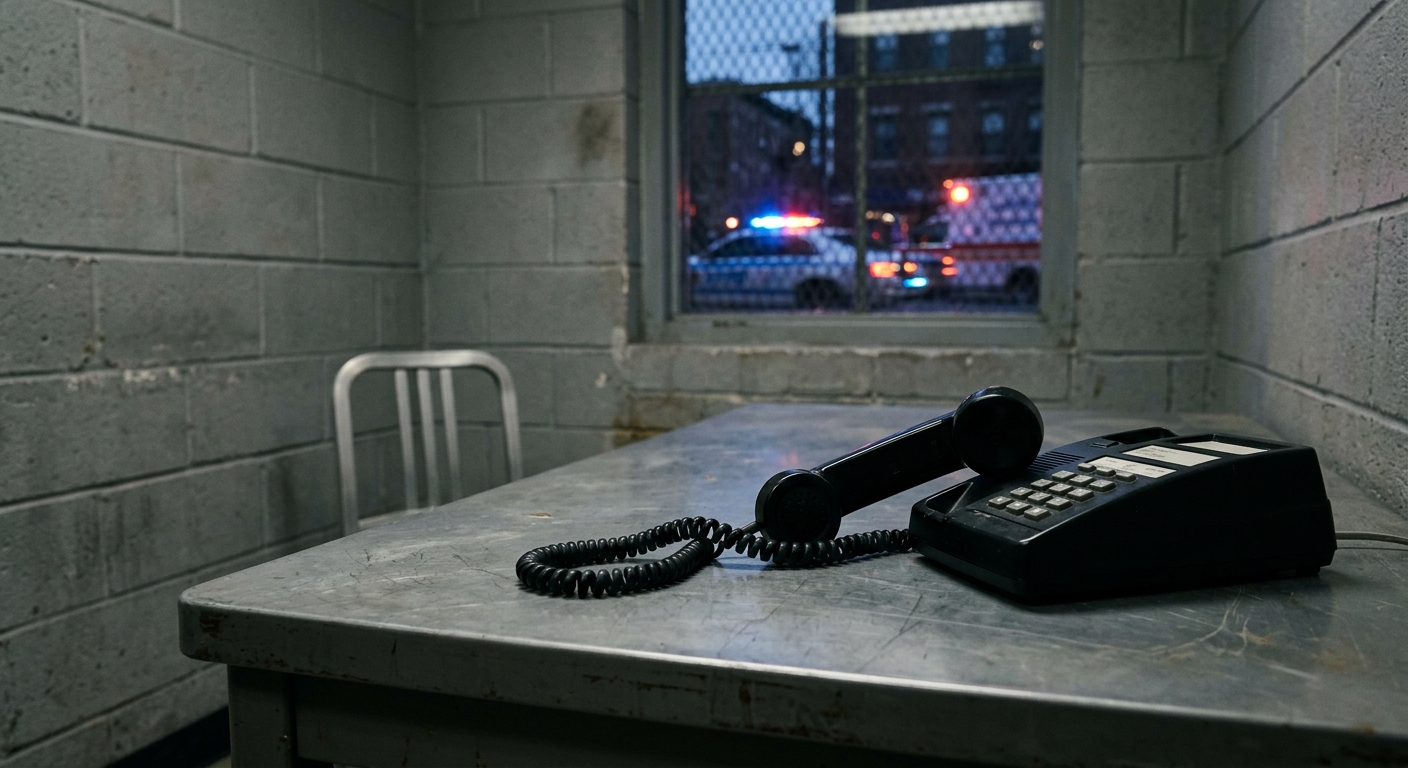
AI-generated illustration; not a photograph of the reported event.
- calendar_today October 13, 2026
Emergency Assistance Delayed After Failed Execution Attempt
Recordings of 911 dispatch calls have revealed significant delays and confusion among first responders and Tennessee prison officials following the failed execution attempt of Christa Pike last month. The incident unfolded at the Riverbend Maximum Security Institution, where Pike, 50, survived a state-attempted lethal injection on September 30.
Chronology of 911 Calls Following the Attempt
The initial call for emergency assistance came in at 8:40 p.m., more than an hour after the failed execution attempt. However, the caller was unable to provide a code to verify the request, making it challenging for dispatchers to confirm its legitimacy. At 9:03 p.m., a dispatcher relayed, "Per supervisors here at the DEC (Department of Emergency Communications), we have been informed it is a false call. There is no medical assistance needed at Riverbend Prison." It wasn’t until several minutes later that prison officials verified the emergency, ultimately granting access to responders at around 9:11 p.m.
Confusion Among Prison Officials and Responders
According to The Associated Press, only a written transcript of the first 911 call was released, as the audio remains exempt from public disclosure. The transcript reveals the caller—identity redacted—notified dispatchers that Christa Pike was unconscious and not breathing normally after the execution procedure failed. Attempts by dispatchers to confirm details with Central Control led to Central Control claiming no authenticated call had originated from their staff. Meanwhile, first responders outside Riverbend's gate encountered a person identifying as a state official requesting urgent entrance, further complicating the situation. Ultimately, confirmation from Central Control allowed medical personnel to enter at 9:11 p.m.
Attorney’s Emergency Call and Medical Transport
Additional 911 calls were made during the incident, including one from Pike’s attorney, Kelly Gleason, at 9:08 p.m. Gleason stated, “My client, Christa Gail Pike, is undergoing a state execution. She has completed the stages of the protocol and last we knew from the attorney who is present, she is still alive and breathing and needs immediate life-saving care.” As medics eventually transported Pike to a hospital, a responder asked dispatchers to ensure prison officials were aware of the destination, citing the ongoing confusion.
Details of the Failed Execution Protocol
Christa Pike survived the state’s attempt to execute her using two pentobarbital doses, as permitted by Tennessee's execution protocol. The procedure does not specify actions for situations where an inmate survives both doses. Pike, who had been sentenced to death for the 1995 torture and killing of her classmate Colleen Slemmer at age 18, was placed on a ventilator for several days following the attempt. She regained consciousness the following Tuesday, eventually speaking in a limited capacity and walking with assistance, according to her attorneys. She was later released from the hospital and returned to prison, having been incarcerated for 30 years.
Investigation and Future Uncertain
The Tennessee Department of Correction has not publicly explained the cause of the failed execution. Governor Bill Lee has paused all further executions while the state investigates the incident. It remains unclear if or when another execution attempt will be made for Christa Pike. The incident has highlighted issues relating to medical delays, emergency procedures, and the coordination between prison officials and first responders.
The Associated Press contributed to this report.
Source: wgntv.com.