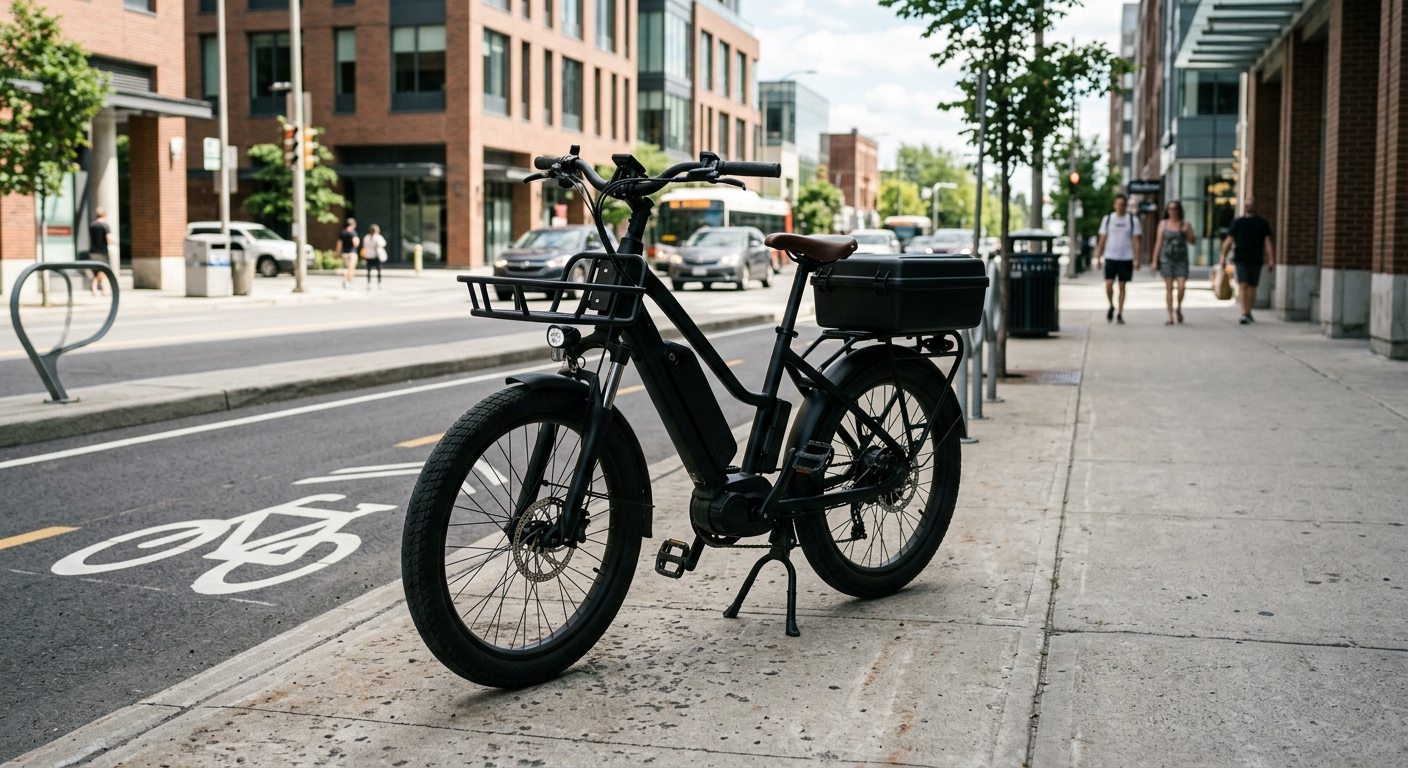
AI-generated illustration; not a photograph of the reported event.
- calendar_today June 4, 2026
Illinois lawmakers have advanced significant legislation set to reshape the use and classification of high speed ebikes across the state. Prompted by escalating safety concerns and incidents involving battery-powered travel, the Illinois General Assembly has passed a bill that introduces new regulations for e-bikes and other electric vehicles capable of reaching speeds above 28 miles per hour.
Defining the New Class of E-Bikes
Under the proposed law, which is scheduled to take effect on January 1, 2027, any electric-powered bicycle or device capable of exceeding a ebike speed limit of 28 mph will be classified as a motor vehicle. This marks a distinct shift in how fast-moving electric bikes are regulated in Illinois, moving them away from traditional bicycle laws and toward more stringent oversight.
Licenses, Registration, and Insurance Requirements
The legislation will require riders of these high-speed e-devices to carry a valid driver’s license, obtain ebike insurance, and complete ebike registration with the Illinois Secretary of State. These measures respond to recent data and increasing public demand for stronger ebike regulations, as the popularity of e-bikes continues to rise in both urban and suburban communities across the state.
Restrictions on Pathway Access
Limits have also been imposed on where high-speed e-bikes can operate. According to the bill, e-bikes and other battery-powered devices that can travel faster than 28 mph will no longer be permitted on bike paths or bike lanes. This strategy aims to separate faster-moving devices from standard cyclists and pedestrians, thereby enhancing safety on Illinois’s ever-busier network of bike infrastructure.
Addressing Safety and Pediatric Injuries
One driving force behind these changes has been a notable uptick in pediatric ebike injuries and fatal accidents involving high-speed e-bikes and scooters. Healthcare professionals and emergency responders in Illinois have reported more emergency room visits linked to such incidents, prompting legislators to tighten ebike safety laws in response.
Motor Vehicle Classification and Legal Gaps
Illinois Secretary of State Alexi Giannoulias emphasized the urgency to address the motor vehicle classification of newer, more powerful e-bikes which outwardly resemble motorcycles and can surpass 50 mph. Until now, these devices have existed in a regulatory gray area. The new law strives to close this gap and clarify expectations for both users and law enforcement as the landscape of personal electric transportation evolves.
New Age Restrictions and Accessible Lower-Speed Options
In addition to speed-based rules, the bill sets ebike age restrictions for operators. Riders must be at least 15 years old to use Class 1 and Class 2 e-bikes (limited to 20 mph), and 16 or older to operate a Class 3 e-bike (up to 28 mph). The legislation intentionally leaves lower-speed e-bikes largely unregulated with respect to licensing, registration, and insurance. This approach seeks to balance safety without deterring sustainable transportation for many Illinois residents.
Community Response and Next Steps
Local organizations, cycling groups, and concerned parents throughout Illinois are watching closely as the bill awaits action from Governor JB Pritzker. While supporters praise the emphasis on public safety and clear legal standards, some e-bike advocates urge that the law be implemented carefully to ensure continued access for those relying on these devices for everyday transit.
Path Forward for Illinois E-Bike Laws
Whether signed into law or subject to further amendments, the Illinois ebike bill places the state at the forefront of ebike regulations nationwide. By clarifying rules for high speed ebikes and addressing urgent safety issues, Illinois aims to foster safer roads while maintaining accessibility to clean, effective forms of transportation for all residents.